


Skip to content
A woman sitting on a bed holding her head and looking upset
From Tear Problems to Eyelid Conditions

What Causes Dry Eyes?

asset 22
More Than One Factor May Be Involved

What Is Causing Your Dry Eye Symptoms?

Dry eyes can develop for many reasons. Sometimes your eyes do not produce enough tears. In other cases, tears evaporate too quickly or lack the right balance of oil, water, and other components to keep the eye comfortable.

For many people, there is not just one cause of dry eye. Eyelid problems, inflammation, health conditions, medications, hormones, screen habits, and environmental factors may all play a role.
Dry eye is often multifactorial
logo

Explore our full range of services to find the right solutions for your vision, comfort, and long-term eye health.

With multiple locations across the Phoenix metro area, expert eye care is always within reach.

Get to know the team behind your care and see how we work together to provide individualized eye care.

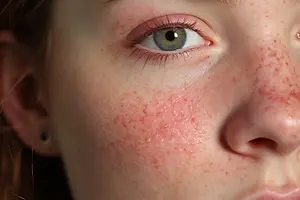
Woman with skin rash around her nose

Why Do Eyes Become Dry?

A healthy tear film coats the surface of your eye every time you blink. It helps keep the eye comfortable, protects the surface, and supports clear vision. Dry eye can develop when something disrupts that tear film.

Broadly, this may happen because:

  • Your eyes do not produce enough tears.
  • Your tears evaporate too quickly.
  • The oil-producing glands in your eyelids are not working properly.
  • Inflammation affects the eyelids, tear film, or eye surface.
  • Health, hormonal, medication, lifestyle, or environmental factors interfere with normal tear function.

Several of these issues can occur at the same time.

Meibomian Gland Dysfunction

Meibomian gland dysfunction (MGD) is an important contributor to evaporative dry eye. The meibomian glands are tiny glands along your eyelids that produce oils for the outer layer of your tear film. These oils help slow tear evaporation.

When the glands become blocked or do not release healthy oils properly, tears may evaporate too quickly. This can contribute to burning, grittiness, watering, blurry vision, and other dry eye symptoms.

Eyelid Inflammation

Blepharitis

Blepharitis is inflammation along the eyelid margins. It can affect the lashes, eyelid tissue, and the openings of the meibomian glands. Some people with blepharitis experience redness, irritation, crusting around the lashes, or dry eye symptoms.

Blepharitis does not affect every patient in the same way, so a closer evaluation can help determine whether eyelid inflammation is contributing to your symptoms.

Ocular Rosacea

Ocular rosacea affects the eyes and eyelids and may cause redness, irritation, inflammation, and problems with the meibomian glands.

Some people develop eye symptoms even when facial rosacea is mild or has not been formally diagnosed. An eye examination is needed to determine whether ocular rosacea or another condition may be involved.

Tear Deficiency and Inflammation

When the eyes do not produce enough of the tear film's watery layer, the surface can become dry and irritated. Age, certain medical conditions, medications, and other factors may contribute.

Inflammation can also affect tear production, tear stability, and the health of the eye surface. In some patients, inflammation contributes to dry eye and is part of the cycle that keeps symptoms going.

Health Conditions That Can Contribute to Dry Eye

Dry eye can sometimes be connected to conditions elsewhere in the body. Potential contributors may include:

  • Sjögren’s syndrome
  • Other autoimmune conditions
  • Diabetes
  • Hormonal changes
  • Certain nutritional deficiencies
  • Other systemic health conditions

A diagnosis of one of these conditions does not automatically mean that it is causing your dry eye. Your eye doctor considers your health history alongside your eye examination and diagnostic findings.

Arizona’s Environment Can Play a Role

Living in Arizona means your eyes are regularly exposed to dry air, heat, intense sun, indoor air conditioning, and other environmental stressors. These conditions may increase tear evaporation and make existing dry eye symptoms more noticeable.

Arizona’s climate should not be treated as the automatic explanation for persistent dry eye, though. A patient may live in a dry environment and still have underlying meibomian gland dysfunction, inflammation, tear deficiency, medication effects, or several contributing factors at once.

Common Questions

Schedule Your Dry Eye exam

Find Out What Is Causing Your Dry Eye

A dry eye evaluation is designed to investigate the factors that may be contributing to your symptoms. The goal is not to label every dry eye patient the same way. It is to gather enough information for your eye doctor to understand the pattern of your dry eye and explain what the findings may mean for you. If you are ready to move from wondering why your eyes feel dry to finding real relief, schedule an evaluation at NuVision Centers.