

Skip to content
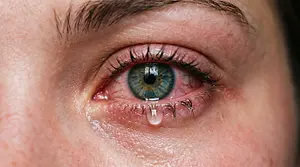
A close up of a woman's eye with a teardrop in it
What Your Eyes May Be Telling You

Dry Eye Symptoms

asset 22
When Your Eyes Do Not Feel Right

Signs and Symptoms of Dry Eye

Dry eye does not always feel simply “dry.” Your eyes may burn, water, itch, feel gritty, or become blurry at different points throughout the day. Contact lenses may become harder to wear, and bright light may feel more uncomfortable than before.

These symptoms can be frustrating, especially when they keep returning despite eye drops or changes to your routine. Recognizing dry eye symptoms is an important first step, but symptoms alone cannot tell you what is causing them.

Recognizing the symptoms is the first step
logo

Explore our full range of services to find the right solutions for your vision, comfort, and long-term eye health.

With multiple locations across the Phoenix metro area, expert eye care is always within reach.

Get to know the team behind your care and see how we work together to provide individualized eye care.

A woman sitting in front of a laptop with her eyes closed and her hands on her forehead.

What Does Dry Eye Feel Like?

Dry eye symptoms can vary from person to person and may change throughout the day. Some people notice constant irritation, while others experience symptoms only during certain activities or in certain environments.

Common dry eye symptoms include:

  • Burning: Your eyes may feel hot, irritated, or uncomfortable.
  • Gritty feeling: It may feel as though sand or something small is caught in your eyes.
  • Watering: Dry or irritated eyes can sometimes produce excess tears, even though the tear film is not keeping the eye comfortably lubricated.
  • Redness: The whites of your eyes or the edges of your eyelids may look more irritated than usual.
  • Itching: Dry eye can sometimes cause itching, although itching can also occur with allergies and other eye conditions.
  • Light sensitivity: Bright sunlight, headlights, or indoor lighting may feel uncomfortable.
  • Contact lens discomfort: Lenses that once felt comfortable may begin to feel dry, irritating, or difficult to wear for a full day.
  • Blurry vision: Your vision may seem blurry or fluctuate, particularly during reading, screen use, or other visually demanding tasks.

Can Dry Eyes Cause Blurry Vision?

Dry eye can contribute to blurry or fluctuating vision because the tear film helps create a smooth optical surface across the front of your eye. When that tear layer becomes unstable, your vision may briefly lose clarity.

Some people notice that their vision clears after blinking, then becomes blurry again. Others notice more difficulty after long periods of reading, computer work, or other activities that require sustained visual attention.

Can Dry Eyes Make Your Eyes Water?

Watery eyes can sound like the opposite of dry eye, but the two can occur together. When the surface of your eye becomes irritated, your eyes may produce a rush of reflex tears. These watery tears can spill onto your cheeks without creating the stable tear film your eyes need for lasting comfort.

Similar Symptoms With Different Causes

Burning, redness, watering, itching, and blurry vision do not point to one diagnosis on their own.

Dry eye can involve different parts of the tear film, eyelids, eye surface, and meibomian glands, which are the small oil-producing glands along the eyelids. Other eye conditions can also create similar symptoms.

That is why NuVision Centers does not rely on a symptom list alone to determine what is happening. Your symptoms tell us how your eyes feel. A comprehensive dry eye evaluation allows us to look more closely at what may be contributing to them.

When Should You Have Dry Eye Symptoms Evaluated?

Occasional eye irritation does not always mean you have dry eye disease. Consider a dry eye evaluation if:

  • Burning, grittiness, watering, redness, or itching keeps returning.
  • Your vision becomes blurry or fluctuates during the day.
  • Contact lenses have become increasingly uncomfortable.
  • Light sensitivity is affecting normal activities.
  • Artificial tears provide only temporary help.
  • You have tried several approaches without finding relief.

The purpose of an evaluation is not simply to confirm that your eyes feel dry. It is to investigate what may be contributing to your symptoms so you can better understand your options.

Schedule Your Dry Eye exam

Let's Start The Conversation

You know when your eyes do not feel normal. At NuVision Centers, we listen to what you have been experiencing and look beyond the symptom itself. Our Dry Eye Center in Scottsdale uses a comprehensive evaluation process to examine the tear film, eye surface, eyelids, and meibomian glands. If dry eye symptoms are persistent or already affecting your comfort and vision, request a Dry Eye Evaluation so our team can take a closer look.