

Skip to content
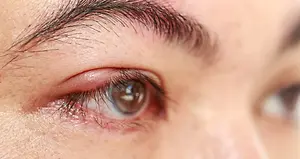
A close up of a person's eye with slightly red skin around the eye and eyelashes with a blurry background.
When Eyelid Glands Affect Your Tears

Meibomian Gland Dysfunction

asset 22
Understanding Blocked Oil Glands

What Is Meibomian Gland Dysfunction?

Meibomian gland dysfunction (MGD) affects the tiny oil-producing glands along your eyelids. When these glands do not produce enough healthy oil, tears can evaporate too quickly, leaving your eye surface irritated.

MGD is an important contributor to evaporative dry eye, but it is not something you can diagnose from symptoms alone. A closer look at your eyelids, tear film, and meibomian glands can help your eye doctor determine whether MGD is contributing to your dry eye symptoms.
Dry eye is often multifactorial
logo

Explore our full range of services to find the right solutions for your vision, comfort, and long-term eye health.

With multiple locations across the Phoenix metro area, expert eye care is always within reach.

Get to know the team behind your care and see how we work together to provide individualized eye care.

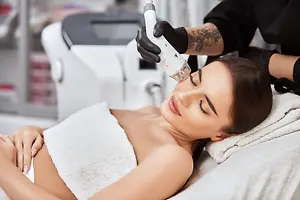
A woman lies on a bed in a salon, getting a facial treatment with a laser device.

How MGD Affects Your Eyes

Your tear film has several layers that work together to protect the surface of your eyes. The meibomian glands produce the oily outer layer of the tear film. This oil helps slow evaporation and keeps tears spread more evenly across the eye between blinks.

With meibomian gland dysfunction, the oils may become too thick, the gland openings may become blocked, or the glands may not release enough healthy oil. As a result, tears can evaporate faster than they should.

What Are the Symptoms of MGD?

MGD can cause symptoms that overlap with dry eye disease and several other eye conditions. Symptoms may include:

  • Burning
  • A gritty feeling
  • Watering
  • Redness
  • Itching
  • Light sensitivity
  • Contact lens discomfort
  • Blurry or fluctuating vision

Some people also notice that their eyelids feel irritated or that symptoms worsen after prolonged screen use, reading, driving, or time in dry environments.

What Causes Meibomian Glands to dysfunction?

Several factors may affect how the meibomian glands function, including inflammation, changes around the eyelids, certain health conditions, hormonal changes, and reduced blinking.

Conditions such as blepharitis and ocular rosacea may also affect the eyelid margins and meibomian glands. Screen-heavy routines can contribute as well. People often blink less frequently or less completely while using digital devices, which can reduce the natural pressure that helps meibomian glands release oil.

How Do We Evaluate the Meibomian Glands?

At NuVision Centers, diagnostic testing may include meibography. Meibography creates images of the meibomian glands beneath the eyelid, so your optometrist can assess their structure and look for changes that may not be visible during a routine surface examination.

No single test should be viewed in isolation. Your eye doctor considers the results alongside your symptoms, health history, medications, eyelid examination, and other findings.

How Is Meibomian Gland Dysfunction Managed?

A personalized plan may involve home care, lifestyle changes, prescription treatment, or in-office therapies. NuVision Centers also offers several advanced dry eye management options for patients whose findings support them.

Patients who want to learn about the different approaches available can continue to our Dry Eye Treatment Options page.

Schedule Your Dry Eye exam

Have Your Meibomian Glands Evaluated

Consider a dry eye evaluation if you experience persistent or recurring symptoms such as burning, grittiness, watering, redness, blurry vision, light sensitivity, or contact lens discomfort. At our Dry Eye Center in Scottsdale, we can examine your tear film, eyelids, and meibomian glands. If MGD is contributing to your symptoms, the next step is deciding which management options are appropriate.