
Skip to content
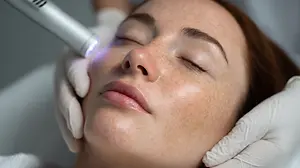
A woman is getting her face treated with a laser machine by a person wearing gloves
What Are Your Options?

Dry Eye Treatments

asset 22
Finding the Right Approach

Treatment Options for Dry Eye Disease

Dry eye treatment is not one-size-fits-all. The right approach depends on what is affecting your tear film, eyelids, meibomian glands, and eye surface.

Some patients need changes to daily care. Others may benefit from prescription treatment, eyelid therapy, gland-focused procedures, or more advanced options. At NuVision Centers, treatment recommendations begin with a dry eye evaluation so we can understand what may be contributing before deciding what comes next.
Dry eye often requires ongoing management
logo

Explore our full range of services to find the right solutions for your vision, comfort, and long-term eye health.

With multiple locations across the Phoenix metro area, expert eye care is always within reach.

Get to know the team behind your care and see how we work together to provide individualized eye care.

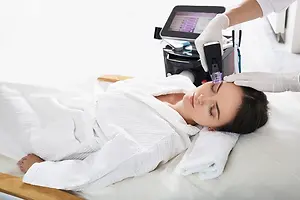
A woman is lying down on a bed wearing a white robe and receiving an eyebrow laser treatment

Treatments for Meibomian Gland Dysfunction

Meibomian gland dysfunction (MGD) affects the oil-producing glands within the eyelids. These oils help slow tear evaporation. When the glands become blocked or fail to produce healthy oils, the tear film may become unstable and evaporate too quickly.

OptiLight® IPL

Lumenis OptiLight® uses intense pulsed light as part of medical care for dry eye and MGD. For appropriate patients, IPL may be recommended to address inflammation around the eyelids and support healthier meibomian gland function.

TempSure® Envi Radiofrequency

TempSure® Envi uses controlled radiofrequency energy to warm tissue around the eyelids. This targeted warmth is designed to support the function of the meibomian glands, which produce the tear film's oily layer. When these glands are not functioning properly, the tear film may evaporate too quickly, contributing to dryness, irritation, fluctuating vision, or a gritty sensation.

For selected dry eye patients, warming the eyelid area may help soften thickened oils and improve their flow through the meibomian gland openings. By supporting the tear film's oil layer, treatment may help reduce tear evaporation and improve overall tear film stability.

Prescription Treatments

Prescription treatment may be recommended when inflammation, tear production, or other aspects of dry eye require additional support. NuVision Centers offers prescription options that may include:

  • Restasis®
  • Xiidra®
  • Cequa™
  • Tyrvaya™
  • Eysuvis®
  • Lotemax®
  • Pred Forte®

These medications do not all work in the same way and are not appropriate for every patient. Your eye doctor considers your diagnosis, symptoms, eye health, medical history, and previous treatment experience before recommending a prescription.

For appropriate patients, NuVision Centers offers BlephEx®, an in-office eyelid treatment designed to remove debris, bacteria, and buildup around the lashes and eyelid margins.

BlephEx® may be considered when eyelid inflammation or blepharitis is contributing to dry eye symptoms.

Punctal Plugs for Tear Retention

Some patients struggle because their eyes do not retain enough tears. Punctal plugs are small devices placed in the tear drainage openings to help tears remain on the eye surface longer.

They may be appropriate for certain forms of dry eye, but they are not automatically the right choice for everyone. Your eye doctor first needs to determine whether reduced tear volume is part of the problem and whether retaining tears makes sense for your particular dry eye pattern.

Artificial Tears And At-Home Care

Lubricating eye drops, often called artificial tears, are one of the most familiar dry eye treatments. They can provide temporary moisture and help reduce irritation. However, eye drops do not necessarily address all the reasons dry eye develops.

Home care may also include eyelid hygiene, lifestyle changes, dietary or supplement recommendations, and adjustments to screen or environmental habits when appropriate.

Autologous Serum Tears

Some patients with more complex or severe ocular-surface disease may benefit from autologous serum tears. These eye drops are formulated using components from the patient's own blood serum and may be used to support the ocular surface when standard lubricating drops are insufficient.

Amniotic Membranes

Amniotic membranes may be used in selected patients when the ocular surface requires additional support. The membrane acts as a temporary protective layer over the ocular surface while the eye is being managed.

For some patients, specialty contact lenses may become part of dry eye management. Scleral lenses are larger lenses that vault over the cornea and create a fluid reservoir between the lens and the eye surface.

They may be appropriate for certain patients with significant ocular-surface problems or complex dry eye, but they require careful fitting and ongoing monitoring.

Lifestyle Changes

Dry eye treatment does not always begin with a procedure or prescription. Changes to daily routines may also support better comfort, particularly when screen use, reduced blinking, air conditioning, contact lens wear, or Arizona's dry environment are making symptoms more noticeable.

Recommendations may include adjustments to:

  • Screen and blinking habits
  • Eyelid care
  • Contact lens routines
  • Indoor airflow or humidity
  • Hydration and nutrition
  • Supplements when appropriate
  • Other everyday factors identified during your evaluation
Schedule Your Dry Eye exam

Find a Treatment for Your Diagnosis

At NuVision Centers, we do not begin with the assumption that every patient needs the same drops, procedure, or treatment plan. We start by investigating what may be contributing to your symptoms. Once we better understand your dry eye pattern, we can explain your options and help you make informed decisions about what comes next.