

Skip to content
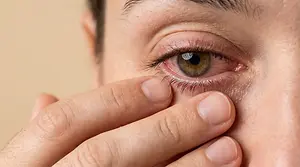
Close up of a person touching their eye with a red eye
More Than Red, Irritated Eyes

Ocular Rosacea and Dry EyE

asset 22
A Closer Look at Persistent Eye Irritation

When Rosacea Affects Your Eyes

Rosacea may be best known for causing redness and flushing of the skin, but it can also affect the eyes and eyelids. This is known as ocular rosacea.

Ocular rosacea can contribute to burning, redness, watering, irritation, blurry vision, and problems with the oil-producing glands in the eyelids. Because these symptoms overlap with dry eye, blepharitis, and meibomian gland dysfunction, a closer evaluation can help determine what may be contributing to your discomfort.
Dry eye is often multifactorial
logo

Explore our full range of services to find the right solutions for your vision, comfort, and long-term eye health.

With multiple locations across the Phoenix metro area, expert eye care is always within reach.

Get to know the team behind your care and see how we work together to provide individualized eye care.

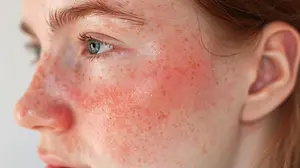
Close-up of a woman with red freckles on her face looking to the left

What Is Ocular Rosacea?

Ocular rosacea is an inflammatory condition associated with rosacea that affects the eyes, eyelids, or both. It may cause inflammation along the eyelid margins and affect the meibomian glands, which produce the oils that help keep tears from evaporating too quickly.

Some people with ocular rosacea already know they have facial rosacea. Others may notice eye symptoms before skin changes become obvious.

Symptoms of Ocular Rosacea

Ocular rosacea symptoms can vary from person to person and may resemble other forms of dry eye or eyelid inflammation. Symptoms may include:

  • Burning
  • A gritty feeling
  • Watering
  • Redness
  • Itching
  • Light sensitivity
  • Contact lens discomfort
  • Blurry or fluctuating vision

How Does Rosacea Affect the Eyes?

Rosacea involves inflammation, which can extend to the eyelids and ocular surface. When the eyelid margins become inflamed, the meibomian glands may also be affected. These small glands release oils that form the outer layer of the tear film and help slow evaporation.

Changes in gland function can make the tear film less stable. This may lead to faster evaporation, irritation, and dry eye symptoms.

Blepharitis

Blepharitis refers to inflammation along the eyelid margins. Ocular rosacea can contribute to this inflammation. Someone with ocular rosacea may therefore have signs of blepharitis as part of the larger condition.

Meibomian Gland Dysfunction

Meibomian gland dysfunction (MGD) occurs when the oil-producing glands within the eyelids do not release enough healthy oil. Inflammation associated with ocular rosacea may affect these glands and contribute to tear evaporation.

Ocular Rosacea Treatment

Ocular rosacea treatment depends on which parts of the eyes and eyelids are affected and whether dry eye, blepharitis, or meibomian gland dysfunction is present at the same time.

Schedule Your Dry Eye exam

Persistent Eye Irritation?

Recurring redness, burning, watering, grittiness, or eyelid irritation may have more than one explanation. If rosacea, dry eye, blepharitis, or MGD may be contributing, a comprehensive evaluation can help separate the overlapping pieces. At our Dry Eye Centre in Scottsdale, we examine your eyelids, tear film, eye surface, and meibomian glands, explain what the findings mean and which next steps may make sense for you.